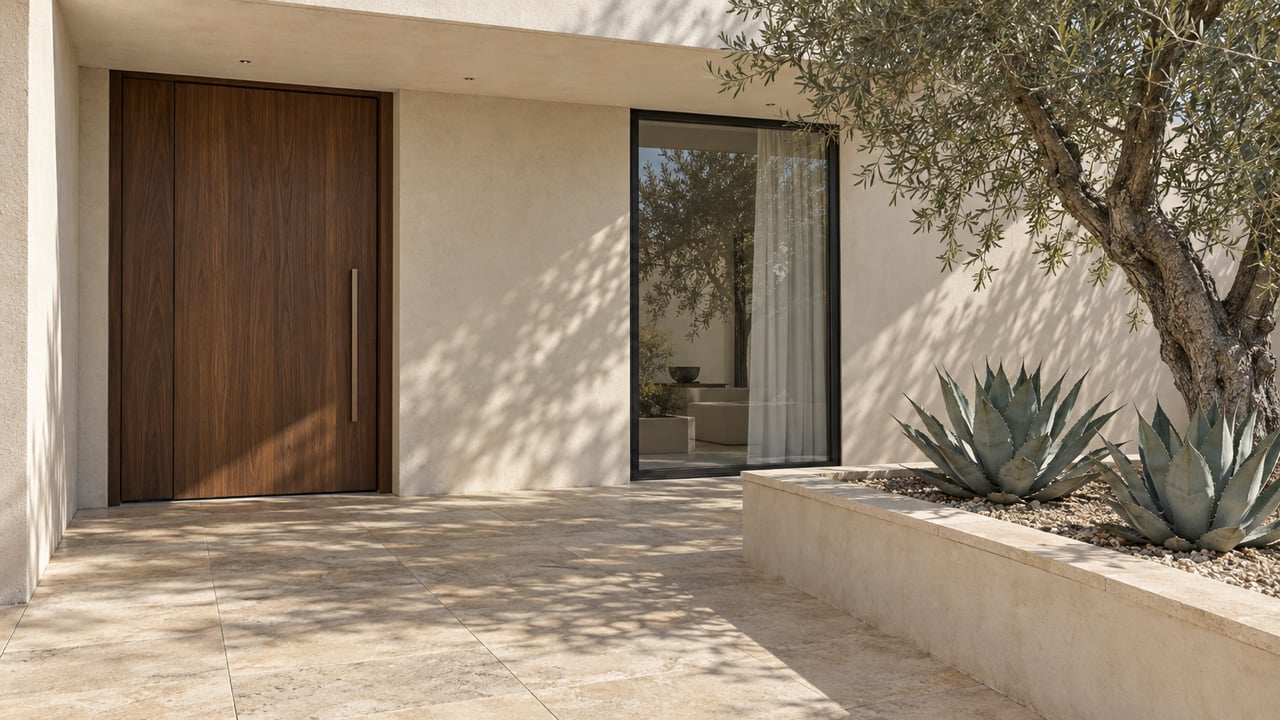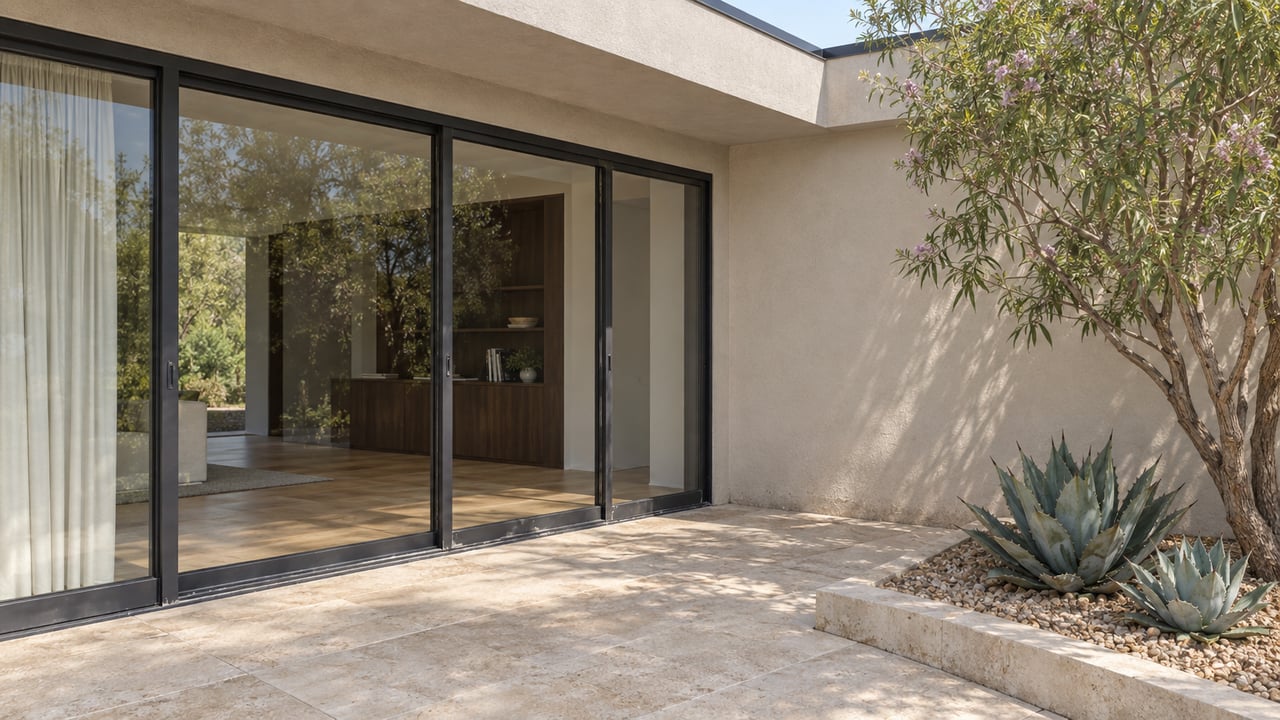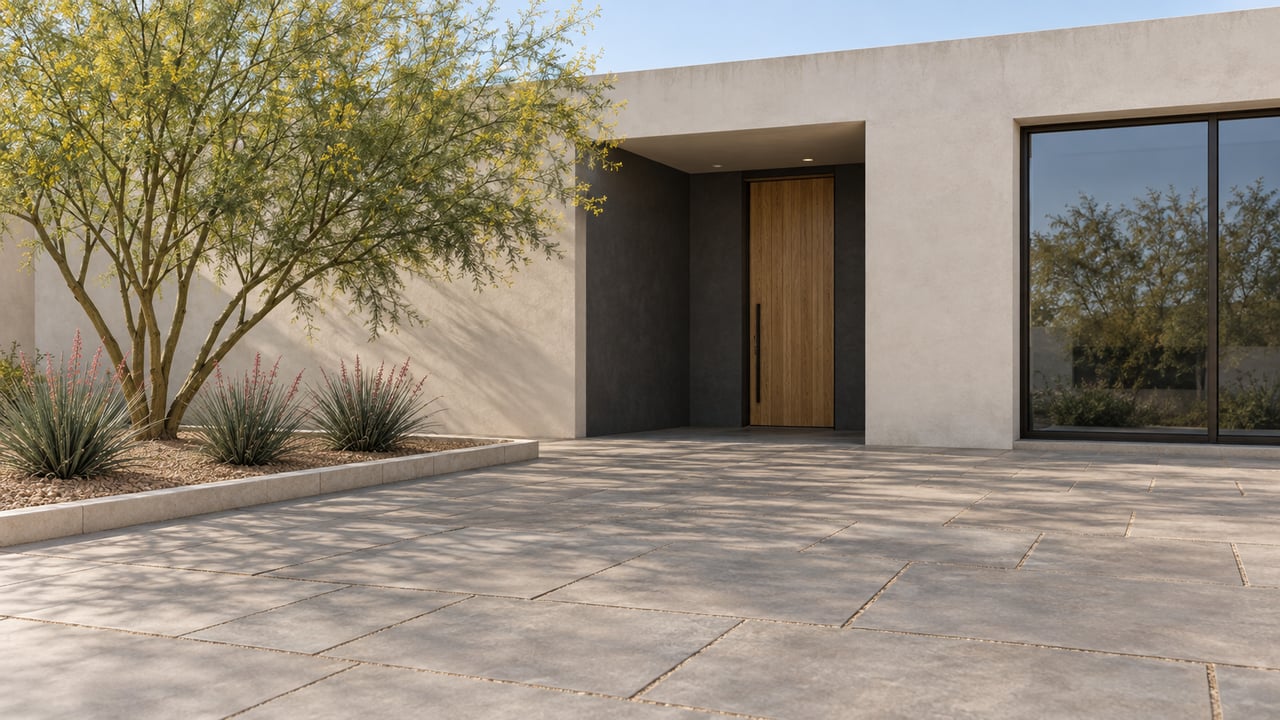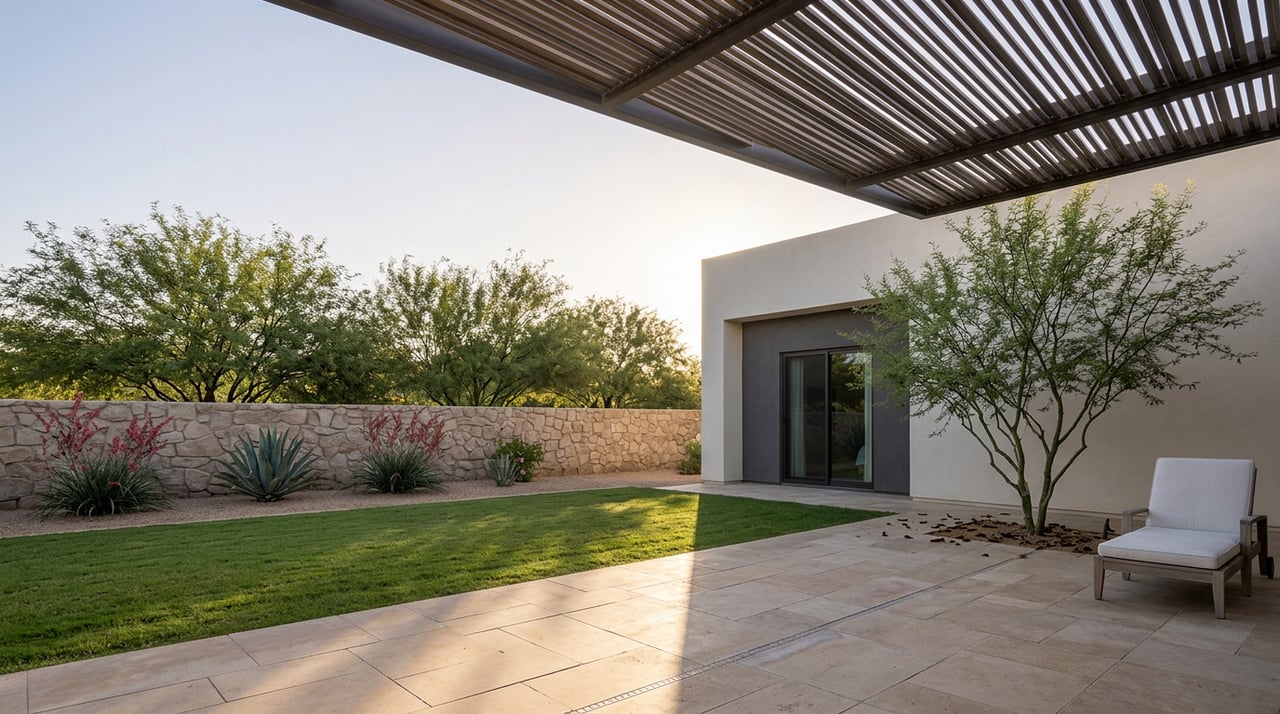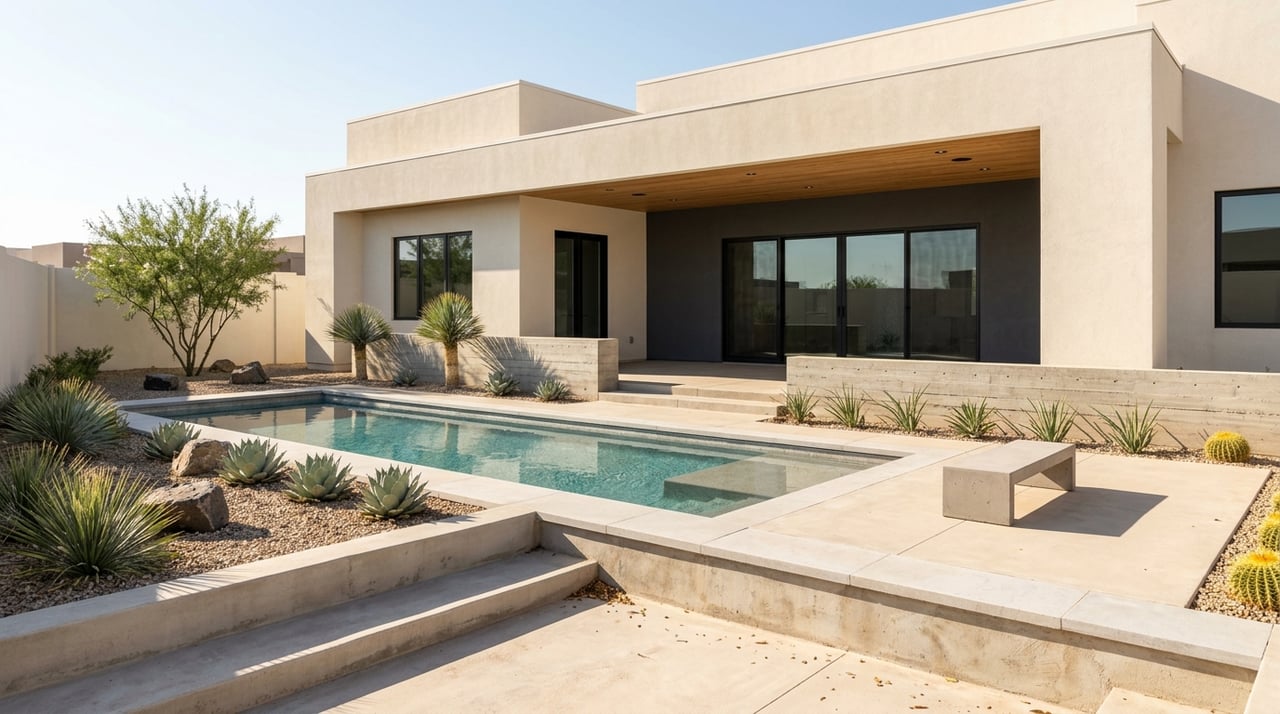
What makes one Ascaya custom home command a very different price from another, even within the same guard-gated community? In a market this specialized, value is rarely about square footage alone. If you are buying, selling, or simply trying to understand pricing in Ascaya, it helps to know how land, views, architecture, and site response work together. Let’s dive in.
The lot is the value engine
In Ascaya, the homesite is not just where a house sits. It is a major part of the luxury product itself. According to Ascaya’s community overview, the community spans 670 acres in the McCullough Mountain Range, with homesites ranging from 1,900 to 3,200 feet in elevation, plus private trails, a 23,000-square-foot clubhouse, and a Family Park.
That setting directly influences pricing. On Ascaya’s homesites for sale page, listed homesites range from $975,000 to $5.18 million, while the higher-elevation Cloud Rock Collection is priced from $2 million to $18 million. In other words, buyers are not just paying for dirt. They are paying for elevation, privacy, scale, and the potential to protect a view.
Elevation shapes price perception
Higher elevation often creates wider sightlines and a stronger sense of separation from surrounding homesites. In a hillside community like Ascaya, that can translate into a more dramatic experience from the moment you arrive. It can also influence how much sky, valley, mountain, or Strip view a property captures.
But elevation alone does not tell the whole story. A homesite’s position within the mountain, the way it opens to the horizon, and how neighboring parcels relate to it can all affect value. That is why two lots at similar elevations may still command very different prices.
View corridors matter more than you think
Scenic views are not just a lifestyle perk. They are recognized in appraisal literature as a measurable market amenity. The Appraisal Journal’s analysis of scenic view premiums notes that premiums are highly site-specific and tied to the relationship between the property and surrounding topography.
That point is especially important in Ascaya. Two homesites in the same community may not share the same value profile if one has broader, more protected sightlines and the other has a narrower or more interruptible view corridor. Sophisticated buyers tend to compare what the lot actually sees, not just the community name on the address.
Real Ascaya homesite examples
Ascaya’s own listings make this easy to see. Homesite 301 is marketed with south-facing vistas over Sloan Canyon National Conservation Area at 2,974 feet and is priced at $2.16 million. Other official listings referenced by Ascaya show notable pricing differences tied to orientation, elevation, and view composition, including homesites with Las Vegas Valley, Strip, canyon, and mountain outlooks.
The takeaway is simple: view direction and openness can matter as much as lot size. A buyer may place more value on a protected canyon-facing setting or a broad Strip-and-mountain panorama than on raw acreage alone.
Orientation changes the living experience
Orientation affects what you see, but it also influences how a home lives day to day. A homesite that opens toward a canyon, valley, or skyline creates a different rhythm of light, privacy, and indoor-outdoor use than one that faces inward or has a more constrained outlook.
In Ascaya, where architecture is often designed around glass, terraces, and long sightlines, orientation becomes a core value driver. It shapes sunrise and sunset exposure, the placement of major living spaces, and how naturally the home connects to outdoor areas.
Buildable envelope can outweigh acreage
Many buyers focus first on lot size. In Ascaya, the more important question is often how much of the site is truly usable for the home you want to build or the privacy you want to preserve. That is where the buildable envelope matters.
For example, Ascaya notes that Homesite 256 spans 5.17 acres on an upper ridgeline. The research report also notes that Homesite 262 has a 32,713-square-foot building envelope, while Homesite 301 has a 15,421-square-foot envelope. That difference can affect everything from motor courts and detached guest spaces to pools, courtyards, terraces, and setback-driven privacy.
Why the envelope matters
A larger or better-shaped envelope may allow for:
- More flexible architectural planning
- Greater separation between indoor and outdoor zones
- Stronger privacy from neighboring homesites
- Better placement of pools, terraces, and guest quarters
- A more complete response to the terrain
That helps explain why lot size alone does not define value in a custom-home community.
Architecture is part of the asset
In Ascaya, design pedigree is not just a marketing detail. It is part of the value story. On its architecture page, Ascaya highlights award-winning firms including Blue Heron, Lake Flato Architects, Marmol Radziner, Studio G Architecture, Swaback Partners, SB Architects, and Daniel Joseph Chenin.
The community also emphasizes design guidelines rather than rigid rules, with the goal of encouraging homes that complement the desert setting and optimize views. That approach supports individuality while still reinforcing an overall architectural standard.
The broader appraisal world supports this idea. The Appraisal Institute’s residential architecture resource notes that architectural style and construction elements can contribute to or detract from value. In a place like Ascaya, buyers are often evaluating how well the design responds to the lot, not just how expensive the finishes look.
Site-specific design creates premium value
The best Ascaya homes tend to do more than sit on a dramatic lot. They turn the lot into a lived experience. That means positioning major rooms toward the strongest outlooks, using glass strategically, and shaping the home around privacy, terrain, and outdoor living.
Ascaya’s current and past home offerings illustrate this clearly. 11 Chisel Crest Court by Studio G is listed at $11.6 million and features 270-degree views, 11-foot window walls, covered terraces, two outdoor kitchens, and an eight-car garage. Other official community examples include homes by Blue Heron and Lake Flato that emphasize terraces, pools, rammed-earth walls, and glazing strategies tied directly to the desert setting.
That is the real premium. It is not only the architect’s name. It is how effectively the home transforms the site into functional, memorable space.
Outdoor living adds real utility
In Ascaya, outdoor living is not an extra. It is central to how value is created and experienced. Ascaya’s feature on desert design influence highlights floor-to-ceiling glass, covered terraces, outdoor kitchens, pools, courtyards, and hillside-oriented design.
These features matter because they extend the livable footprint of the home in a meaningful way. When terraces, courtyards, and entertaining areas are aligned with the view and sheltered appropriately, they become part of daily use rather than occasional amenities.
Terrain integration separates strong homes
One of the clearest signs of a high-quality custom home in Ascaya is how well it works with the land. In a mountainside setting, forcing a design onto the site can limit privacy, compromise views, or create awkward outdoor spaces. Homes that respond to the slope and natural rock formations often feel more intentional and more valuable.
Ascaya’s 2025 Bowery Design Group concept is a strong example. The concept describes homesites carved into the hillside and oriented for unobstructed Strip and mountain views, with pocket doors, courtyards, an outdoor lounge, and a poolhouse terrace designed around native rock formations. That is site response in action.
Buyers should compare more than finishes
Luxury buyers sometimes start with interiors because they are easy to see in photos. In Ascaya, a smarter comparison starts outside. Before you compare appliances, stone slabs, or wine walls, it makes sense to evaluate the lot and the home’s relationship to it.
A practical checklist includes:
- How protected is the view corridor?
- What direction does the home open toward?
- How much of the lot is buildable and usable?
- Does the architecture feel custom to the site?
- How strong are the privacy lines from neighboring parcels?
- Do the outdoor spaces truly capture the setting?
Those questions often reveal more about long-term value than décor or finish selections.
Sellers benefit from a more precise story
If you own in Ascaya, your home’s value story should go beyond square footage, bedroom count, and general community prestige. Buyers at this level usually respond to a more nuanced explanation of why a particular property is hard to replicate.
That may include the elevation, orientation, building envelope, ridgeline position, terrain integration, outdoor living design, or the way the architecture captures protected views. For premium properties, the strongest marketing often explains not just what the home includes, but why this site-home combination is distinct.
View protection deserves careful attention
Ascaya’s materials note that views are not guaranteed and may change over time, which is an important point for both buyers and sellers. In practical terms, the most durable premiums often belong to homesites and homes where topography, orientation, or adjacency to open landscape makes disruption less likely.
That does not mean every elevated lot carries the same level of protection. It means careful review matters. In a community where land characteristics drive so much value, details like neighboring parcel placement and the geometry of the view corridor can have a meaningful effect on price.
Why local expertise matters in Ascaya
Ascaya is not a market where broad averages tell the full story. Value can shift meaningfully from one homesite to the next based on factors that are easy to miss in a quick online search. That is why buyers and sellers benefit from guidance that looks closely at lot characteristics, design response, and the way the market is likely to interpret both.
If you are weighing a purchase, planning a sale, or simply want a sharper read on what drives premium pricing in Ascaya, working with a team that understands gated Henderson enclaves can make the process far more strategic. For private guidance tailored to your goals, connect with Russell Arnold.
FAQs
What drives value in Ascaya custom homes most?
- The biggest drivers are often the homesite itself, including elevation, view corridors, orientation, privacy, and buildable envelope, with architecture and site-specific design adding another important layer.
How important are views when pricing an Ascaya home?
- Views are a major value factor because they are recognized as a measurable market amenity, and in Ascaya the quality, direction, and openness of the view can affect pricing significantly.
Does a larger lot always mean a more valuable Ascaya property?
- No. A larger lot can help, but the usable building envelope, privacy, orientation, and view protection may matter more than acreage alone.
Why does architecture matter in Ascaya home values?
- Architecture matters because buyers often place value on how well a home responds to the land, captures views, supports outdoor living, and fits the desert setting.
What should buyers compare first in Ascaya homes?
- Buyers should first compare the lot, including view corridor, orientation, privacy, terrain integration, and usable envelope, before focusing on interior finishes.
What should sellers highlight when marketing an Ascaya custom home?
- Sellers should highlight the site-home relationship, including elevation, outlook, privacy, outdoor living, architectural pedigree, and the features that make the property difficult to duplicate.